Shavonne Wong.
3D, AI and interactive installations.
Exhibited at Venice Biennale, ART SG, ArtScience Museum, Paris Photo, Taipei Dangdai
I started in fashion photography. Since 2020 I have been building in 3D and virtual humans, and since 2023 also making interactive installations about how we interact and behave around machines.
About
Shavonne Wong
b. 1990, Singapore. Lives and works between Singapore and Bangkok.
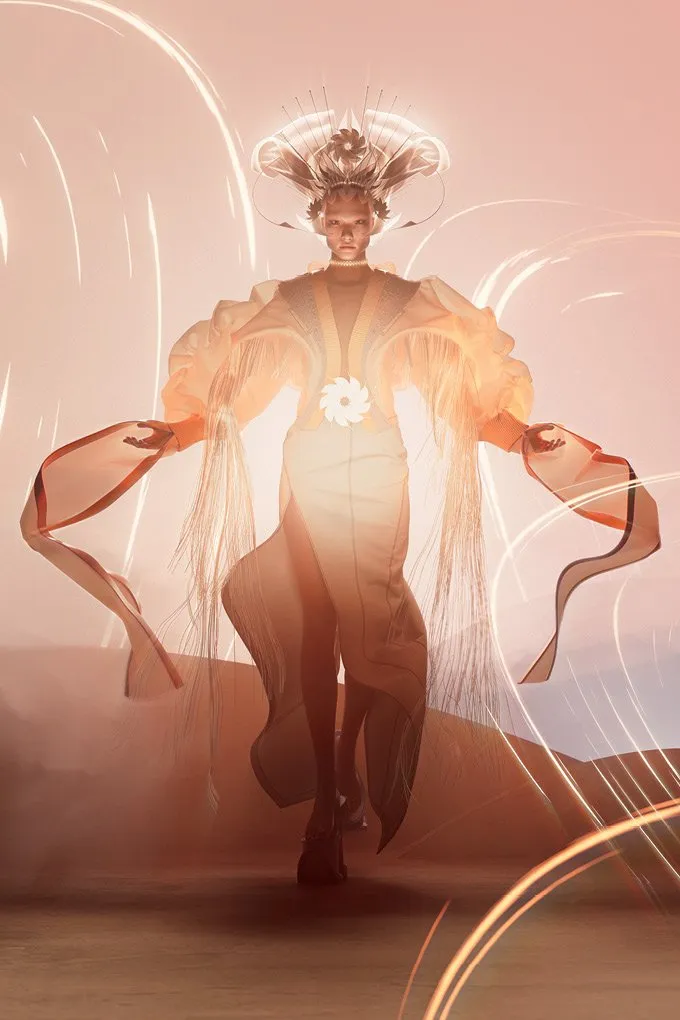
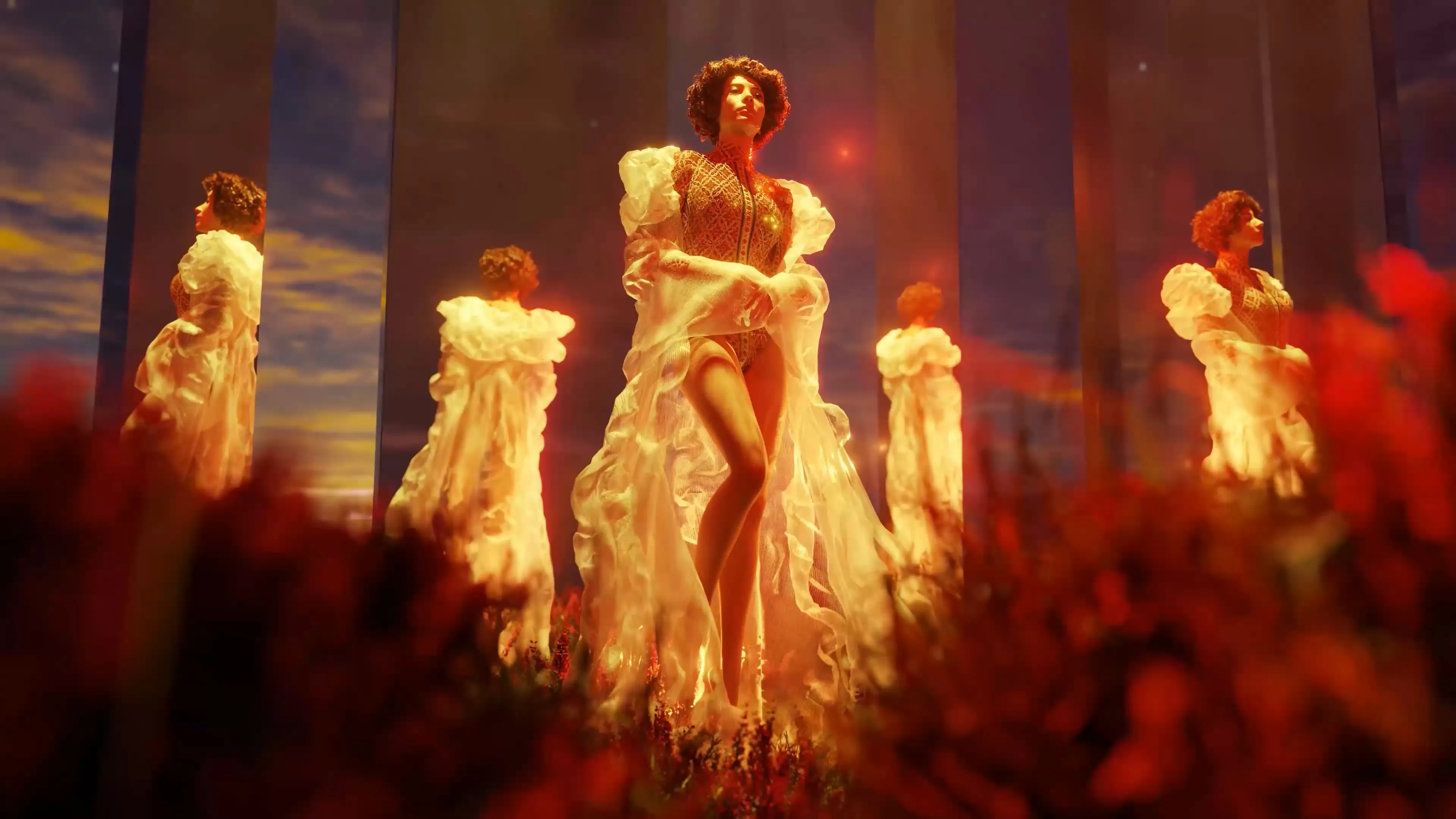
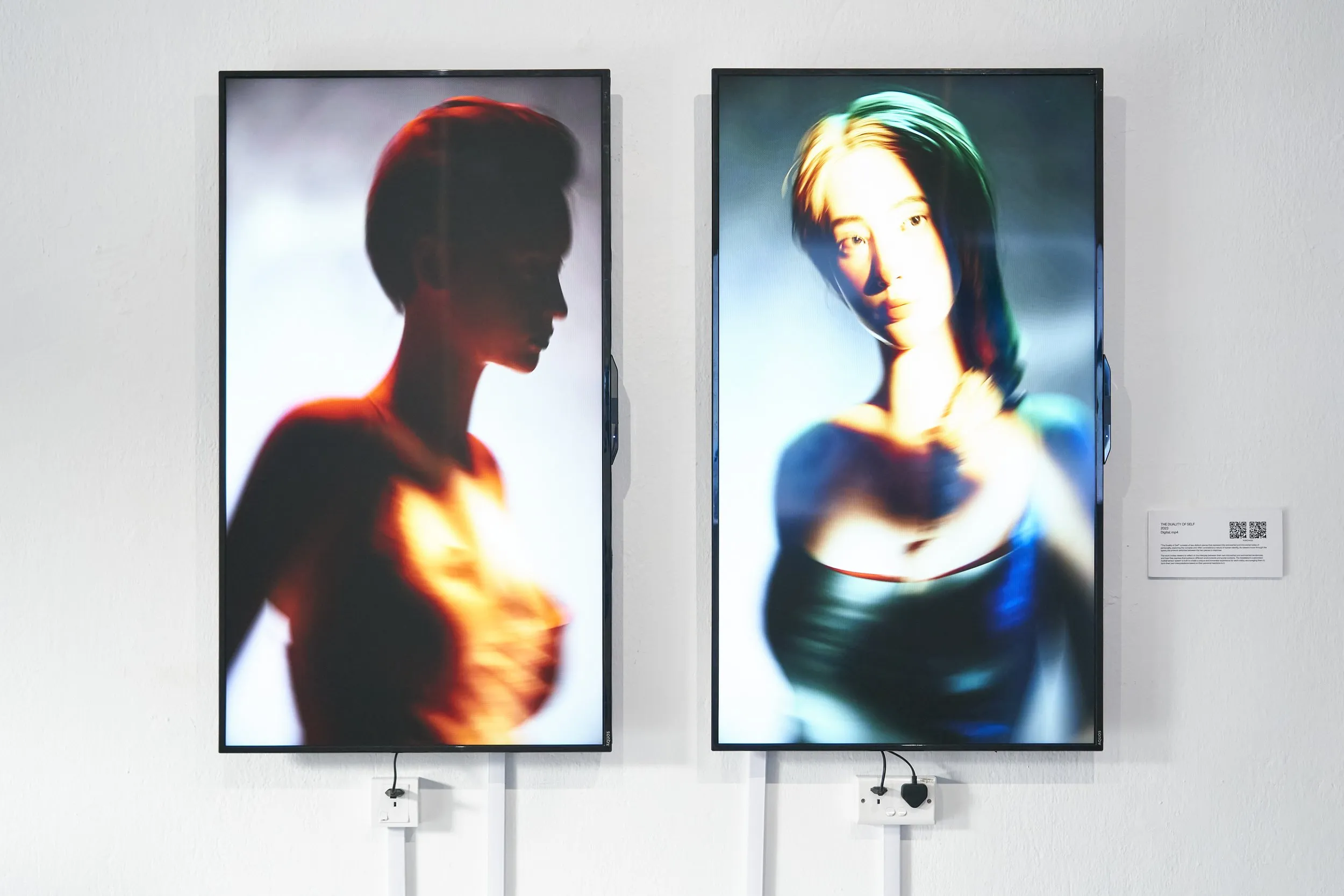
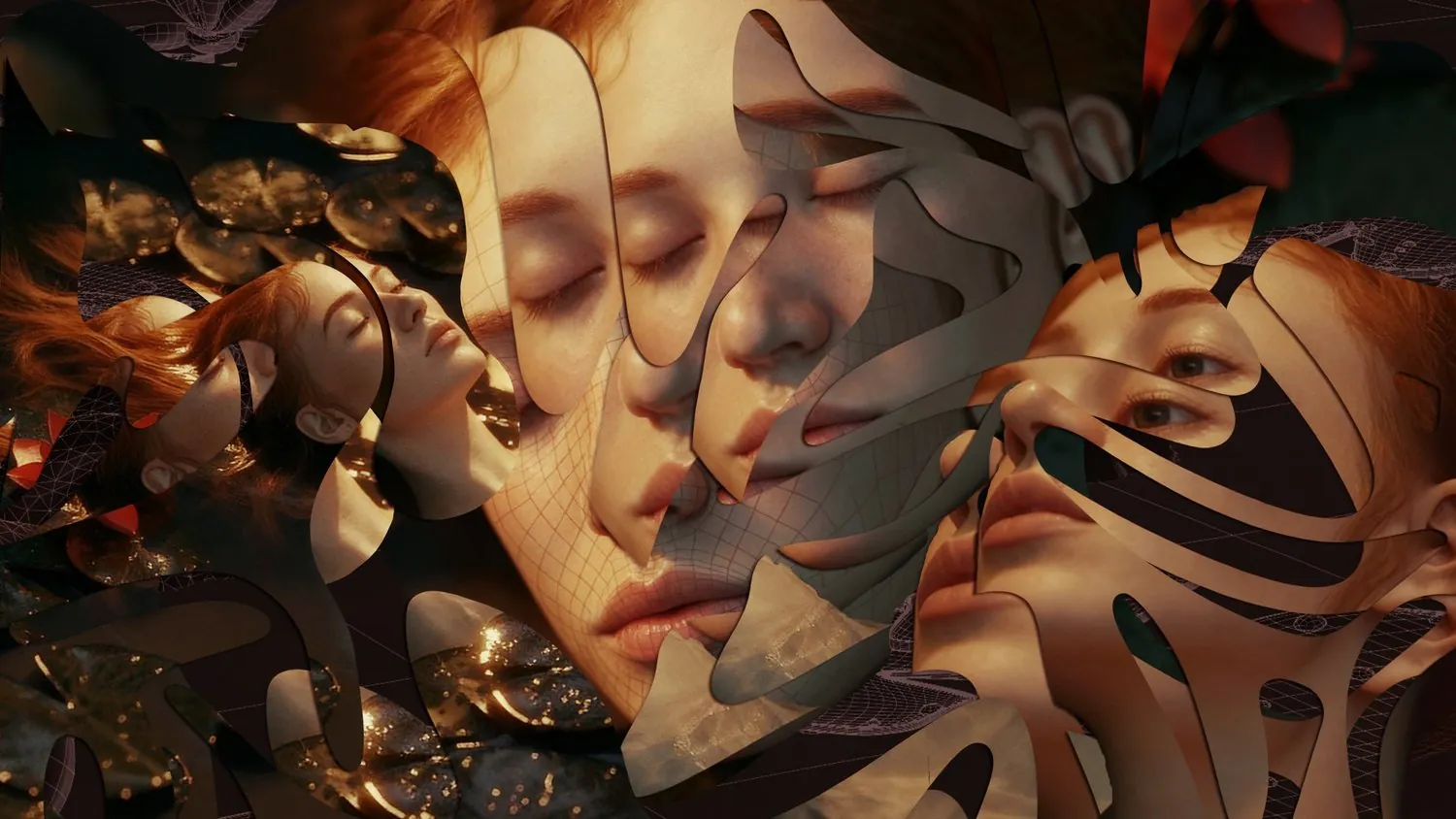
Shavonne Wong is a new media artist who treats emerging technology as a mirror, making work about who we become when machines see, listen, and remember for us. She started in fashion and advertising photography, and over time shifted from hyperreal digital images to interactive projects built from AI, 3D rendering, and participatory frameworks.
She is currently developing Unsilvered, a body of work exploring the discomfort of being both watched too closely and not seen at all.
Full about ->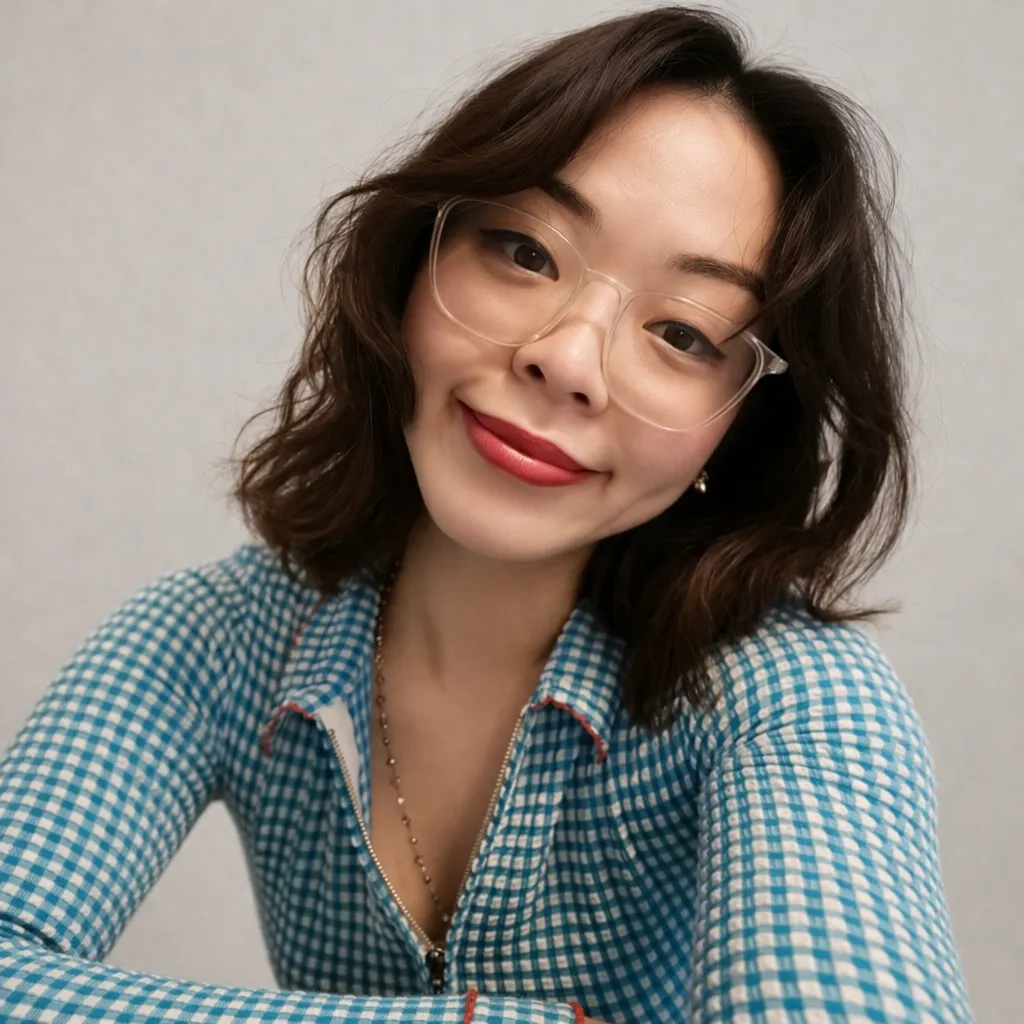
Selected highlights
- RecognitionForbes 30 Under 30 Asia (Arts) / Prestige 40 Under 40
- Shown atArtScience Museum / Venice Biennale / ART SG / Taipei Dangdai
- Brand projectsVogue Singapore / Shu Uemura / Bang & Olufsen
- CommunitiesCo-founder, NFT Asia / Member, BLOOM
Artist statement
I treat emerging technology as a mirror. My work is about who we become when machines see, listen, and remember for us, and about the experiences we share but do not always have words for.
My practice began in fashion and advertising photography, where I learned to construct images with precision and control. I was good at making things look a certain way, but for a long time I did not know how to think about what that beauty meant. I made a lot of very pretty, very boring work.
In recent years, I have become interested in the things we do that do not quite make sense. We say we value privacy but choose convenience every time. We critique AI while depending on it for everything. We build identities online and then discover those identities are shaped by what others have said about us, by algorithms we do not understand, and by archives we cannot access.
The old fear was being watched too closely. The newer one is being overlooked entirely.
I am not interested in proving these contradictions are bad or good. I am interested in the moment when you notice you are doing it too, and you realize there is no easy answer, and you keep going anyway because what else can you do.
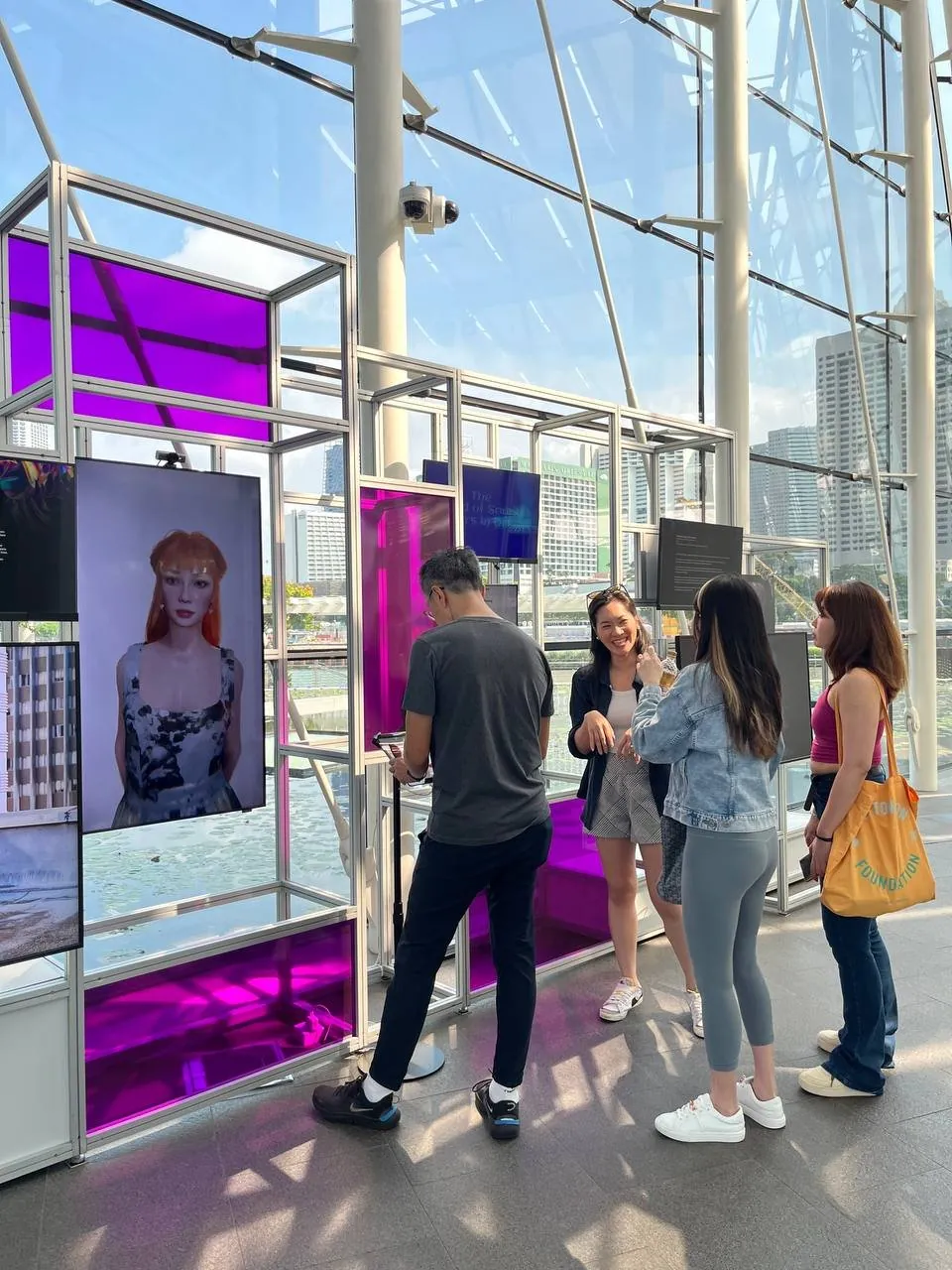
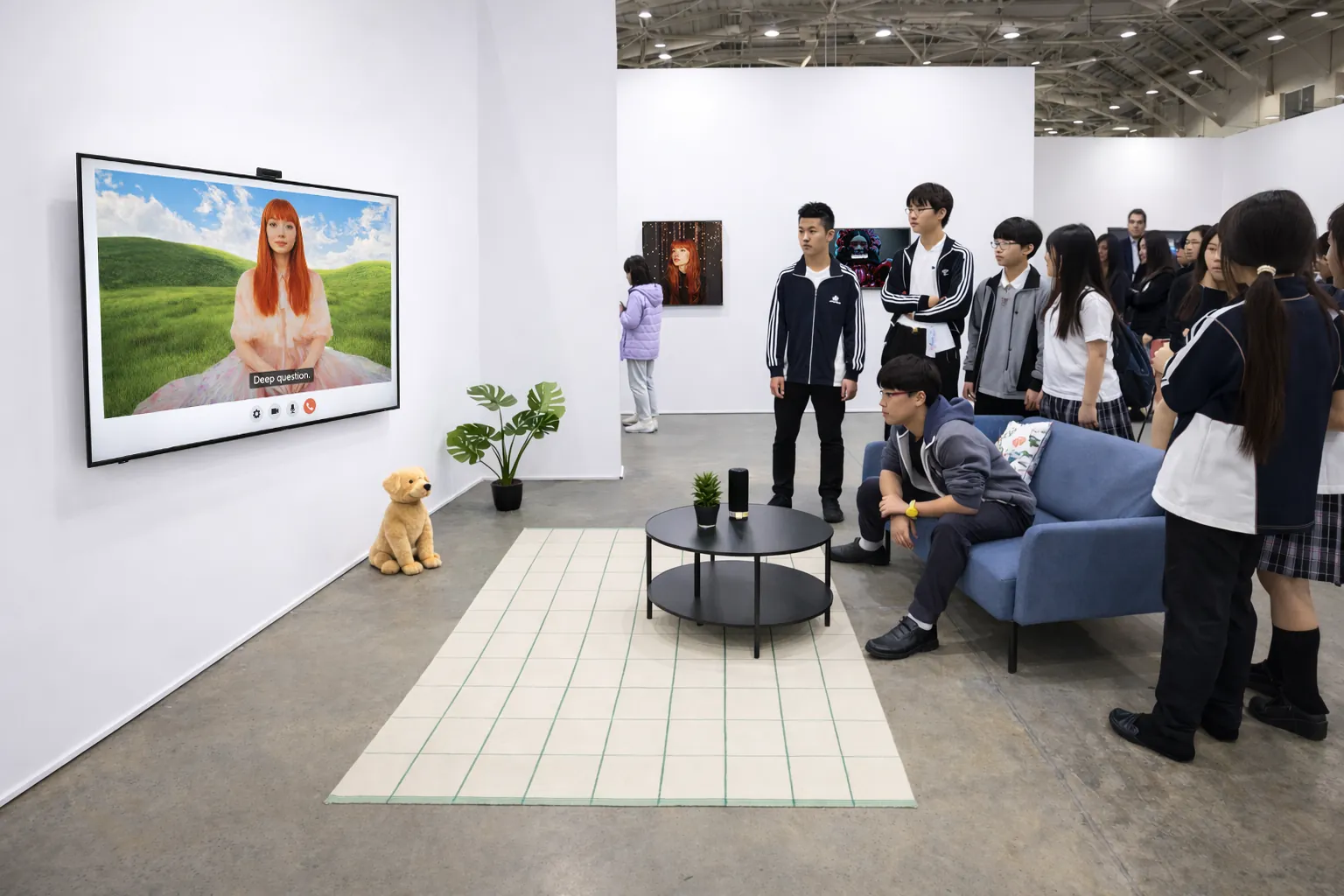
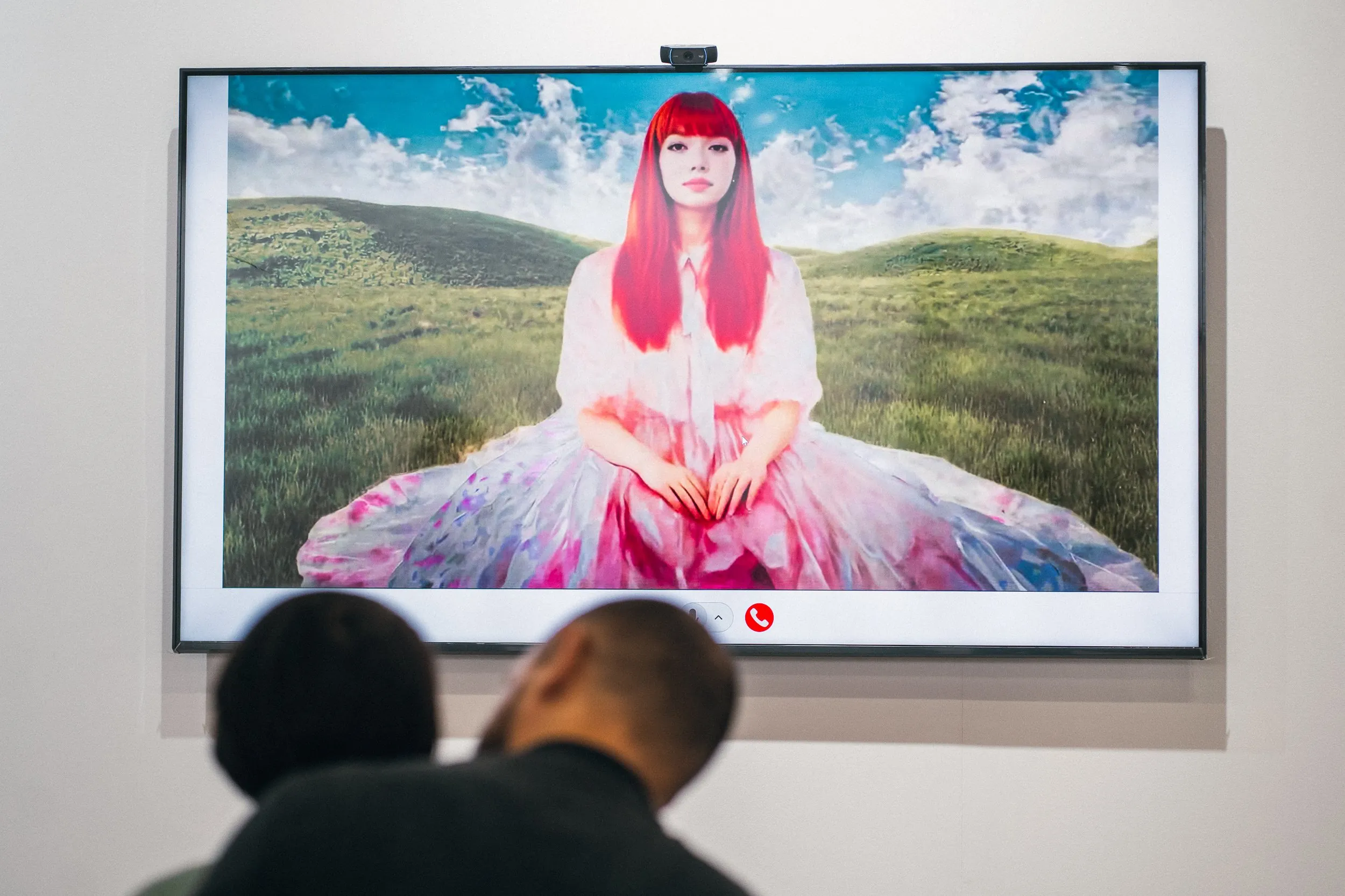
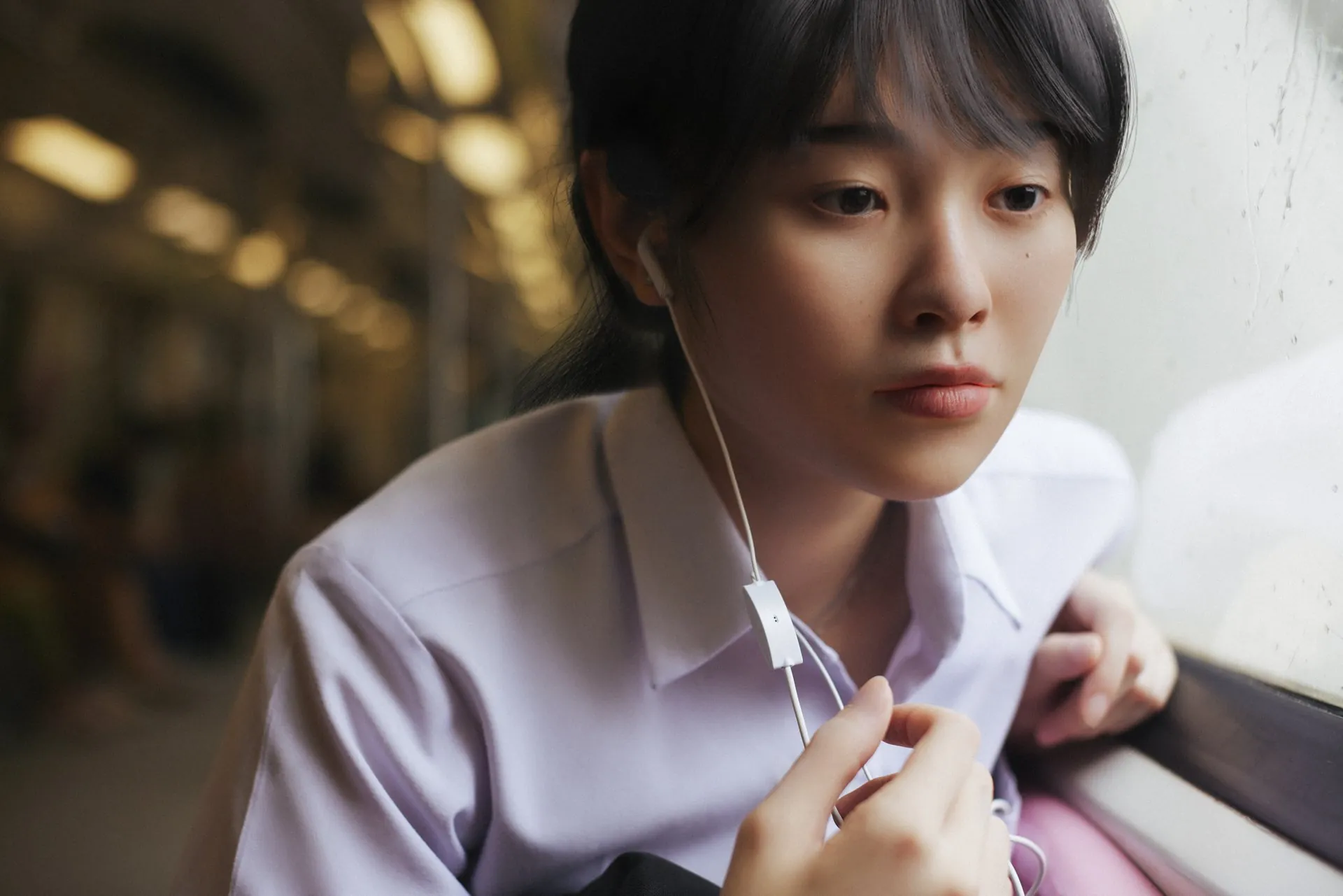
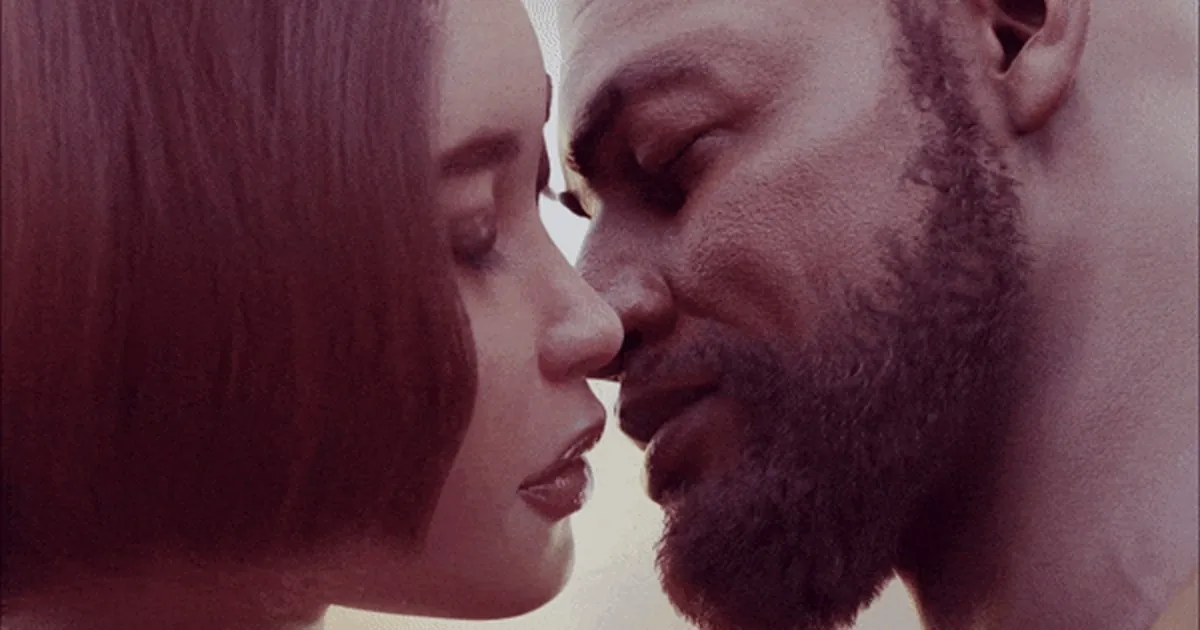
Meet Eva Here explored how people actually behave with AI, not how we say we would. In Singapore, people made polite small talk with her. In New York, they tried to break her in under a minute. A Korean visitor was upset that she skipped the right honorifics, not because she malfunctioned but because it read as rude. The same system meant something different in every room it was switched on in.
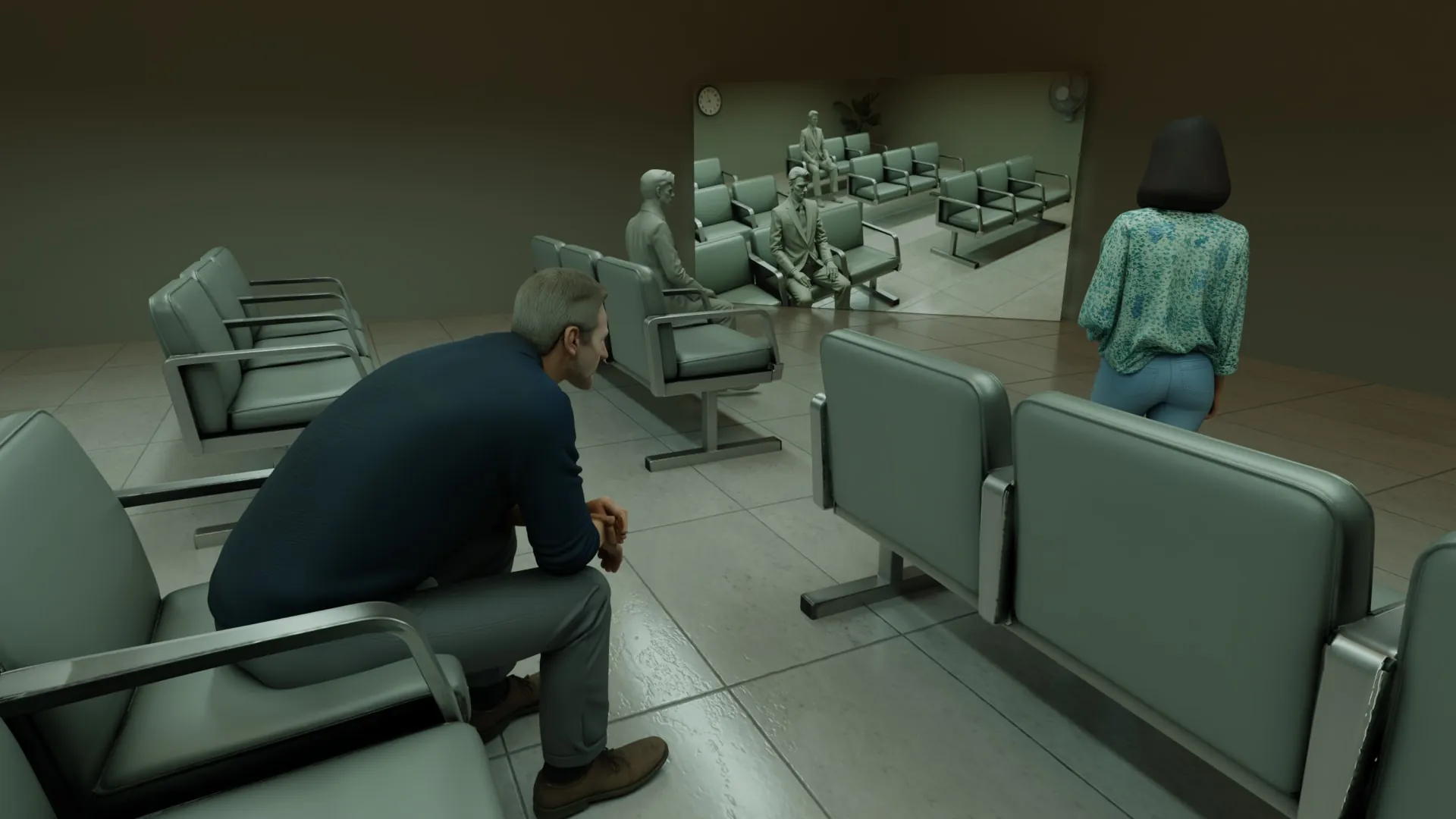
I am currently developing Unsilvered, a body of work that explores the contemporary discomfort of being both watched too closely and not seen at all. In The Mirror, a digital mirror renders the room in full, except you.
I am not trying to solve anything. I am trying to point at things we have normalized without naming them, creating a moment where someone might think "oh, I do that too" or "I have felt that but did not know how to say it."
Writing
Notes from the studio.